India’s food safety regulator has just finished one of its biggest enforcement drives of the year. In this nationwide FSSAI inspection drive, teams checked 56,431 food businesses between 1 September and 5 November 2026, seized about 3,280 tonnes of food and cancelled 52 licences. Paneer, ghee, milk and sweets were among the products seized.
For hotels, sweet shops, bakeries and caterers in Madurai, the message is clear: an inspector can visit at any time, not only before festivals. Therefore, this guide sums up the drive and gives a simple food safety checklist – including storage and packaging – so your kitchen and counter are always ready.
What’s in this guide
What the FSSAI Inspection Drive Found
According to a PTI report published by The Week, the nationwide drive produced these results:
| Action | Number |
|---|---|
| Food businesses inspected (1 Sep – 5 Nov 2026) | 56,431 |
| Food seized | 3,279.57 tonnes, worth about ₹81.80 crore |
| Improvement notices issued | 10,047 |
| Licences suspended | 1,133 |
| Licences cancelled | 52 |
| Businesses sealed | 314 |
Why Sweet Shops and Dairy Items Were in Focus
The seized products included paneer, ghee, milk and sweets – the items whose sales jump during Deepavali and wedding season. Because these products spoil quickly when storage is poor, they are also the most common targets for adulteration.
In addition, FSSAI said it has stepped up action against food businesses and e-commerce companies this year. Therefore, a shop that passes one FSSAI inspection should still expect more checks in the months ahead.
FSSAI Inspection Checklist: Kitchen and Storage
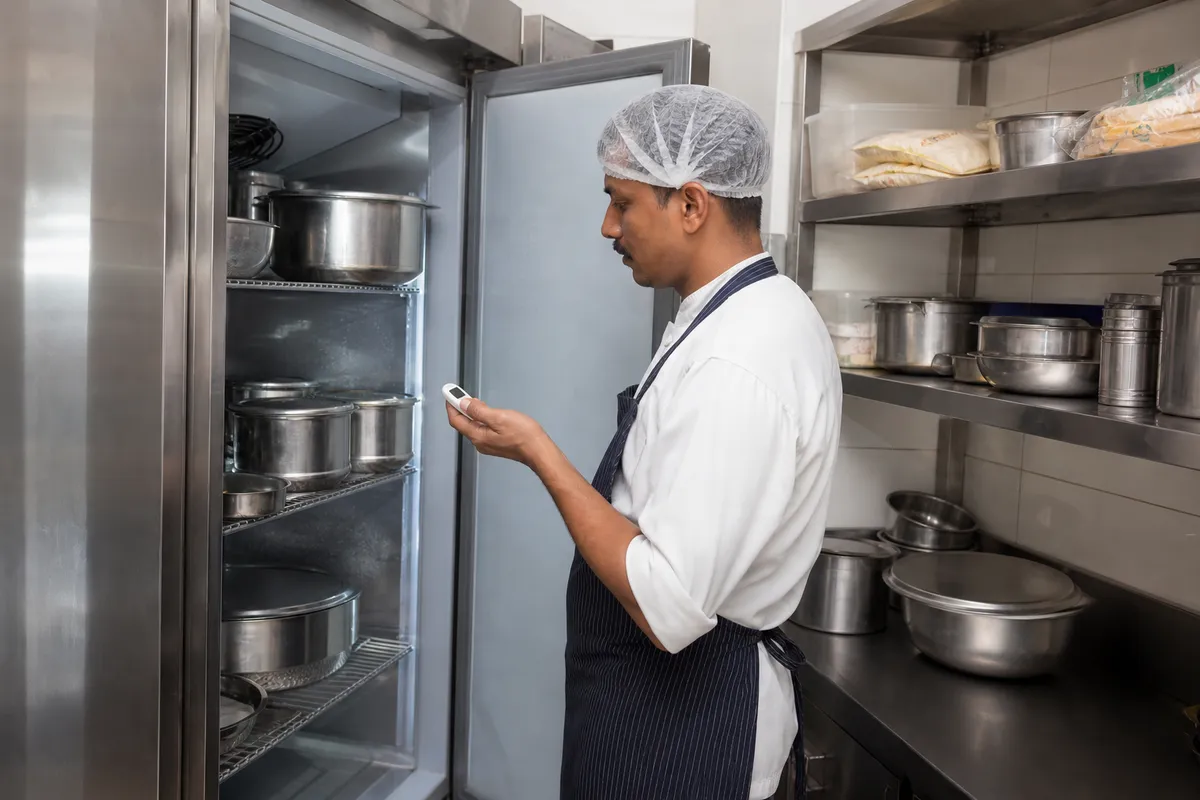
Most improvement notices relate to basic hygiene and storage. For this reason, use this part of the checklist every week, not just before an FSSAI inspection.
- Display your FSSAI licence or registration where customers can see it, and keep it renewed.
- Buy milk, paneer, ghee and khoa only from known suppliers, and keep their bills.
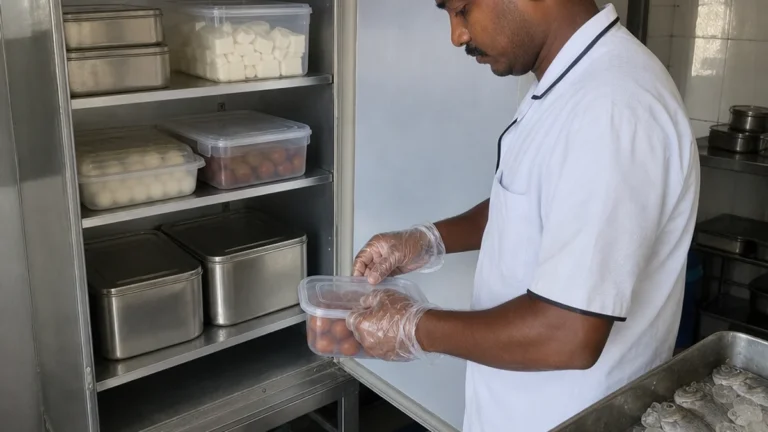
- Store dairy items and cut vegetables in a working refrigerator, and check its temperature daily.
- Keep raw and cooked food apart, and cover all food on the counter.
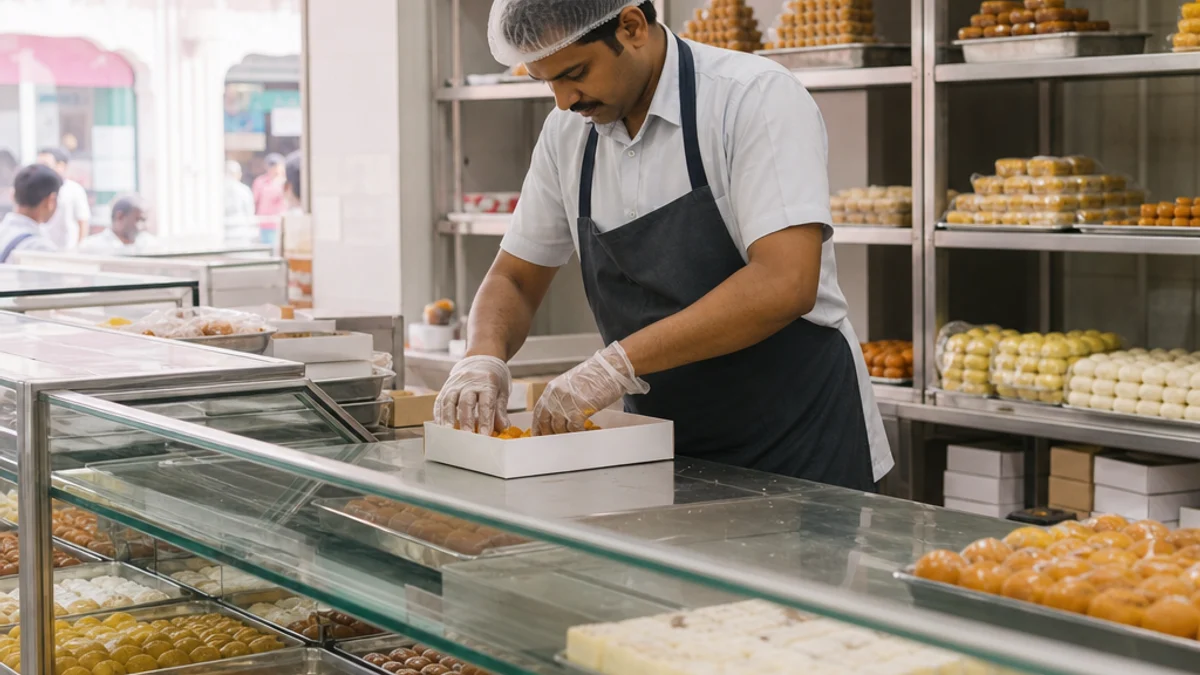
- Make sure staff wear clean aprons and head covers and wash hands often.
- Keep pest control records and clean drains and storage areas regularly.
FSSAI Inspection Checklist: Parcels and Packaging
Inspectors also look at how food leaves your shop. In other words, clean, food-grade packaging protects both your customers and your licence during an FSSAI inspection.
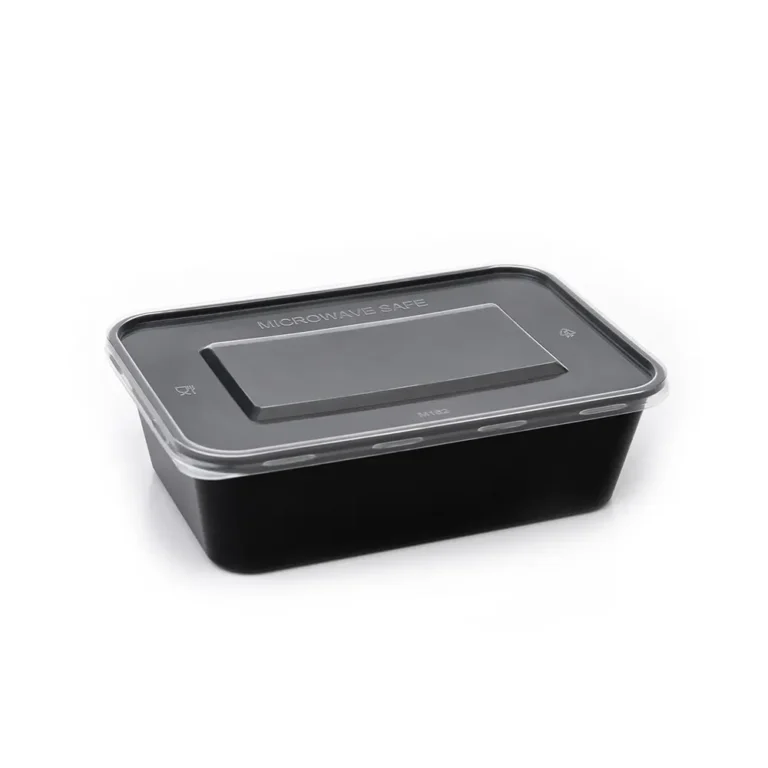
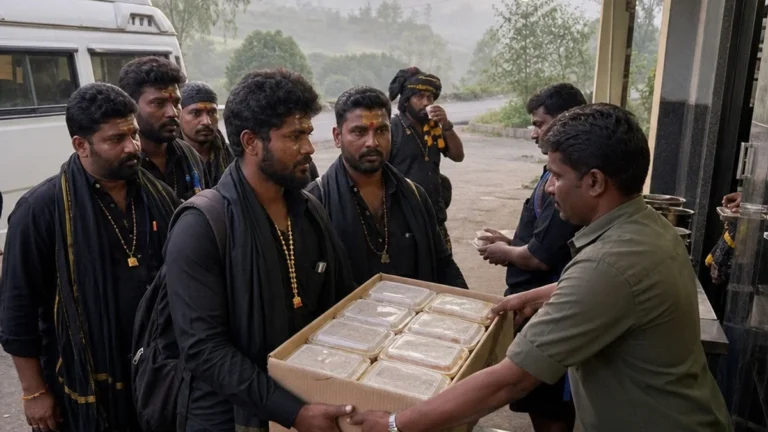
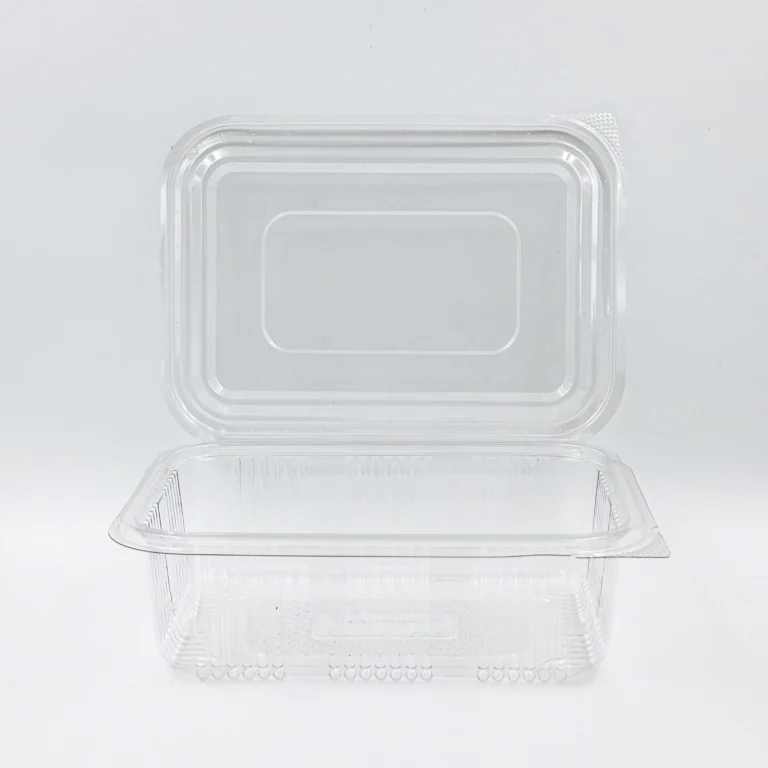
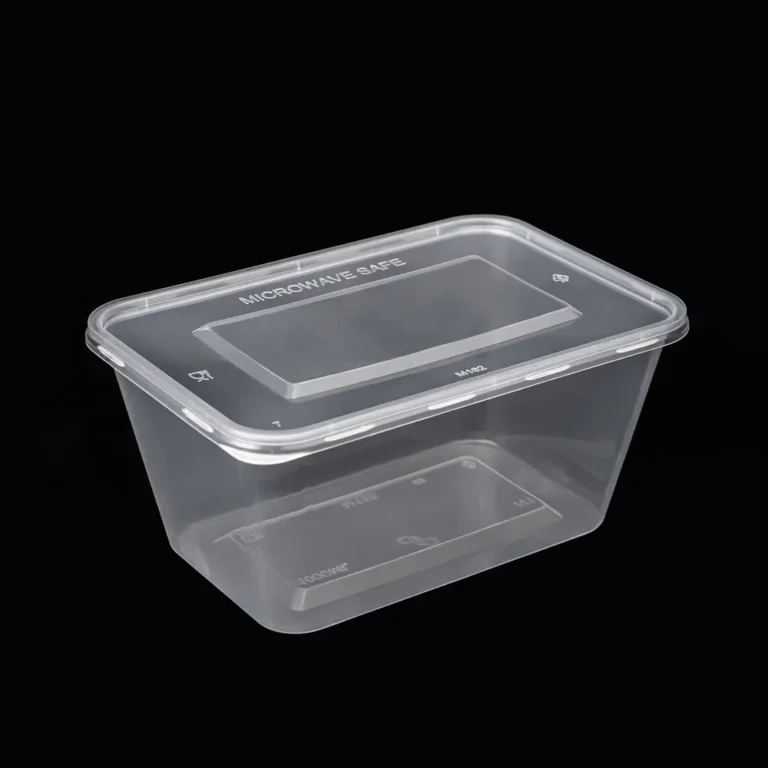
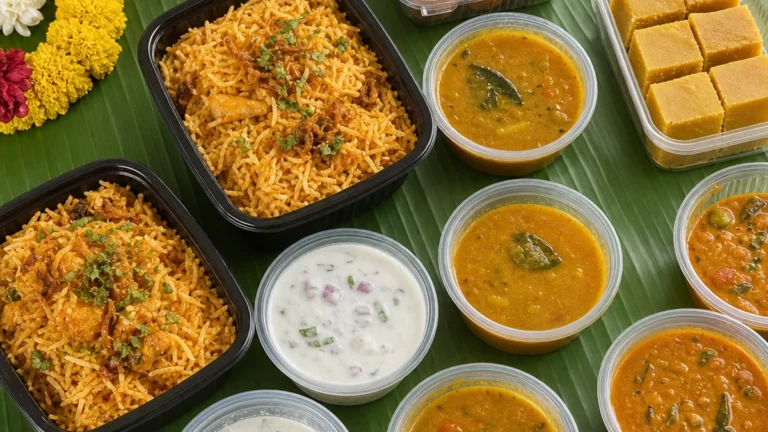
- Use food-grade containers with tight lids for gravies, sambar and curries, so parcels do not leak or spill.
- Pack sweets in clean sweet boxes, and keep boxes and containers in a dry, covered place away from the kitchen floor.
- Never reuse oil tins, newspaper or old plastic covers to pack food.
- Ask your packaging supplier which material each container is made of, and keep the details on file.
- Follow the Tamil Nadu plastic ban: no single-use plastic carry bags, plastic plates or thermocol cups.
Products Mentioned in This Guide
Frequently Asked Questions
How many licences did FSSAI cancel in its 2026 festive drive?
FSSAI cancelled 52 licences, suspended 1,133 and sealed 314 businesses after inspecting 56,431 food businesses between 1 September and 5 November 2026.
Which foods were seized in the FSSAI drive?
FSSAI seized about 3,280 tonnes of banned and non-compliant food worth about ₹81.80 crore, including paneer, ghee, milk and sweets.
What does an FSSAI inspector check in a restaurant?
Inspectors usually check the licence, hygiene, storage temperatures, raw material sources, pest control, staff cleanliness and how food is packed. As a result, keeping simple records for each makes an FSSAI inspection easier.
What packaging should sweet shops use?
Use clean sweet boxes and food-grade containers with tight lids, stored in a dry, covered place. Never reuse newspaper, oil tins or old plastic covers to pack food.
Food-Grade Parcel Packaging from Madurai
Weorex Packing supplies food containers and PET boxes from Madurai, with door delivery or pickup in the city and lorry transport across Tamil Nadu. Ask us for the material details of any product. This guide is general information – always follow FSSAI and Tamil Nadu food safety department instructions.