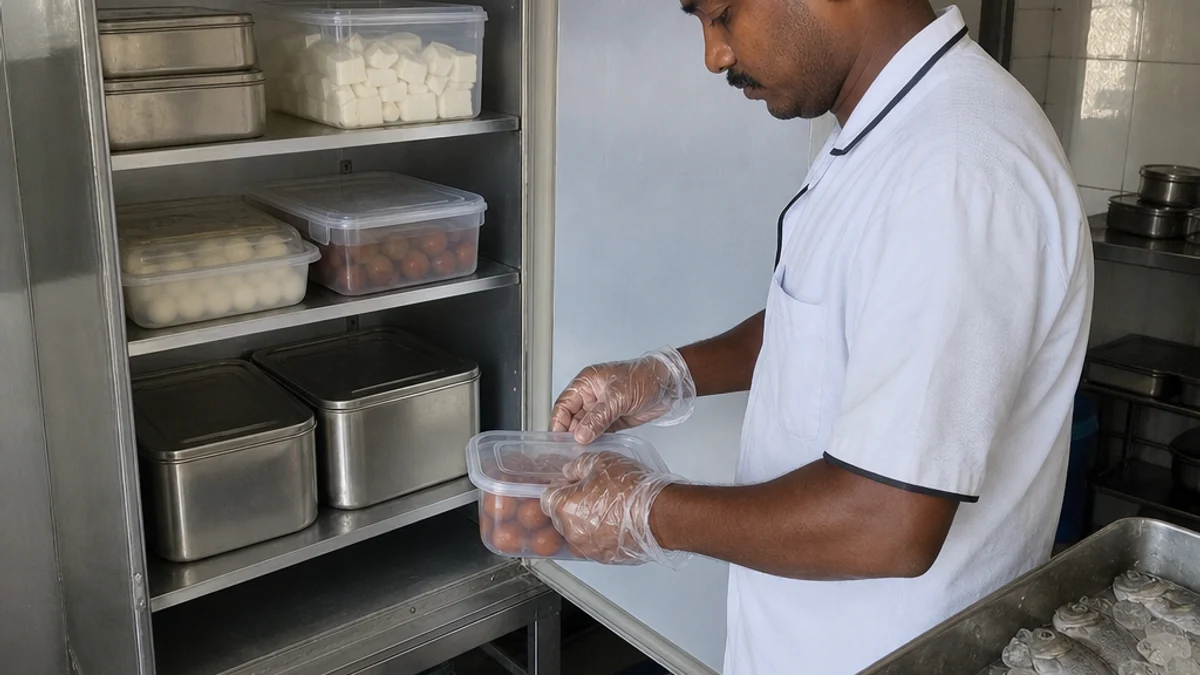
On 18 October 2026, the food regulator made public a new FSSAI advisory on perishable food storage and transport. It covers items such as paneer, khoa, meat and fish, and it asks every food business – from manufacturers to the shop that sells the final parcel – to keep these foods at safe temperatures and in food-grade packaging.
For hotels, messes, sweet shops and cloud kitchens in Madurai and across Tamil Nadu, the advisory is a good reminder to check how food travels from the supplier to the kitchen and from the kitchen to the customer – including perishable food storage and food grade packaging. Madurai businesses can use this guide to see what FSSAI said, what food safety officers may check, and a simple checklist for the storage area and parcel counter.
What’s in this guide
What the FSSAI Advisory on Perishable Food Says
According to reports in The Statesman and Storyboard18, the FSSAI advisory on perishable food covers every stage: manufacturing, packing, storage, transport, distribution and sale. The main points are:
- Keep perishable foods such as paneer, khoa, meat and fish at the prescribed temperature at every stage, from sourcing to delivery.
- Use clean, covered and hygienic vehicles to move food.
- Pack food only in food-grade packaging – gunny bags should not be used.
- Protect consignments from dust, moisture, pests and cross-contamination.
- Keep records of storage and transport conditions.
- State food safety departments will step up inspections and transport checks, and officers may seize and destroy consignments that do not comply.
Why the FSSAI Advisory on Perishable Food Matters in Madurai
Madurai runs on fresh food: early-morning paneer and khoa for sweet shops, chicken and mutton for biryani hotels, and fish for meals counters. Much of it travels by two-wheeler or small goods vehicle in the heat. As a result, the advisory affects not only big dairies but also the small shop that buys paneer in a bag and the cloud kitchen that sends chicken gravy by delivery app.
In addition, festival season makes it more urgent. Deepavali sweet orders mean more khoa and paneer in storage, and food safety teams usually step up checks on sweet shops at this time of year. Therefore, now is the right time to review your routine.
Storage Checklist: Following the FSSAI Advisory in Your Kitchen
You do not need expensive equipment to follow the FSSAI advisory on perishable food storage. However, you do need clear habits that your staff follow every day.
- Buy paneer, khoa, meat and fish only from licensed suppliers who deliver in covered, clean containers – not in gunny bags.
- Move perishables into the refrigerator or cold box as soon as they arrive.
- Store raw meat and fish below and away from ready-to-eat food to avoid cross-contamination.
- Keep cooked food covered in food-grade containers with tight lids.
- Write the date and time on stored items, and use older stock first.
- Keep a simple daily register of fridge temperature and deliveries received.
Parcel Packaging Under the FSSAI Advisory on Perishable Food

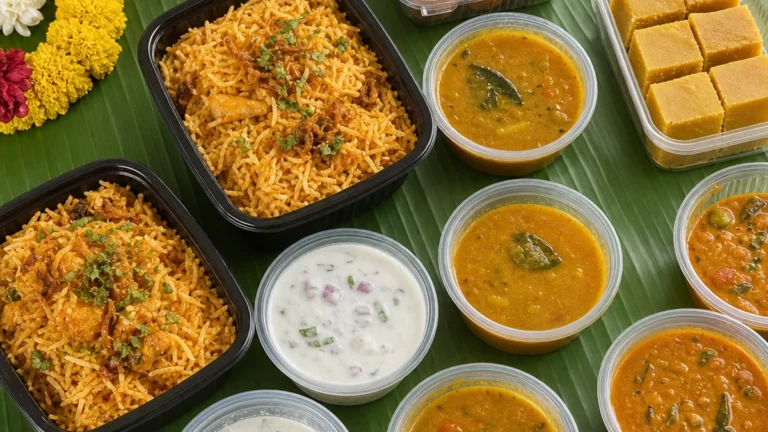
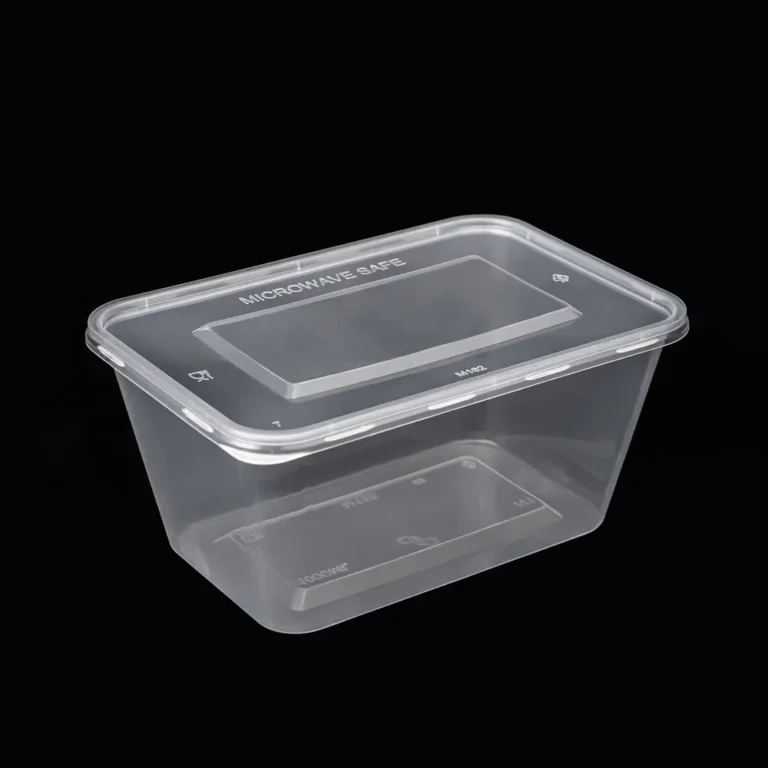
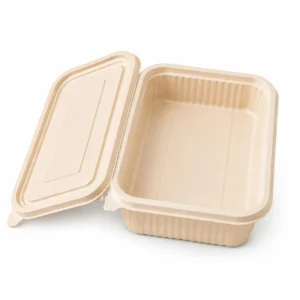
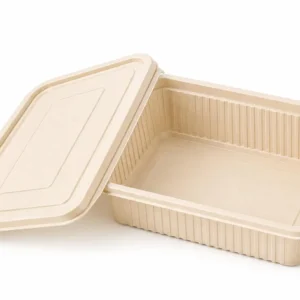
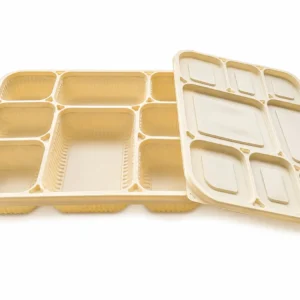
The advisory also applies to the last step – the parcel that leaves your counter. Under the general FSSAI hygiene rules, food must be packed in food-grade material, and hot food should stay hot while cold food stays cold. In practice, that means choosing the right container for each item.
| Item | Suggested parcel container | Tip |
|---|---|---|
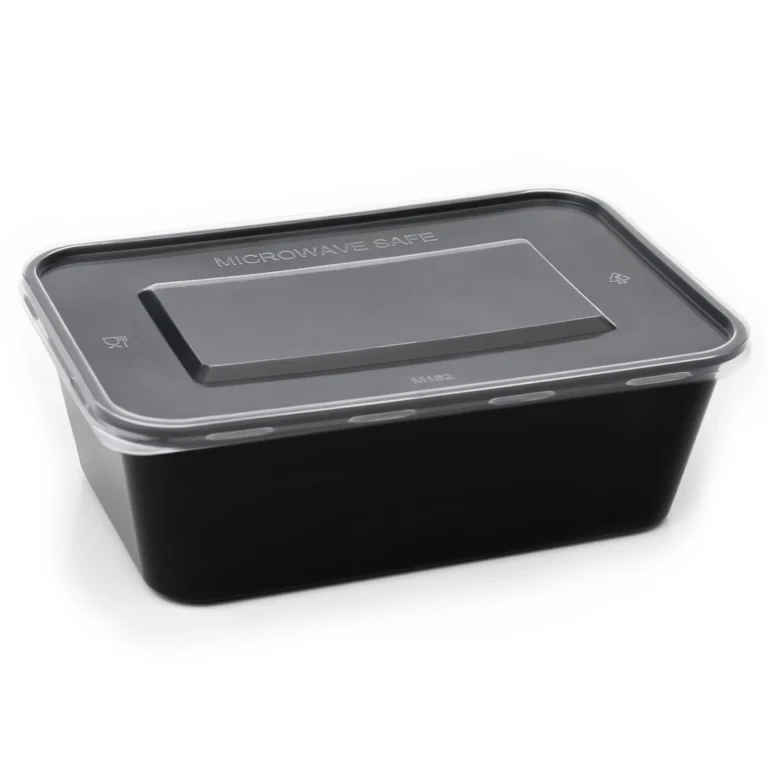
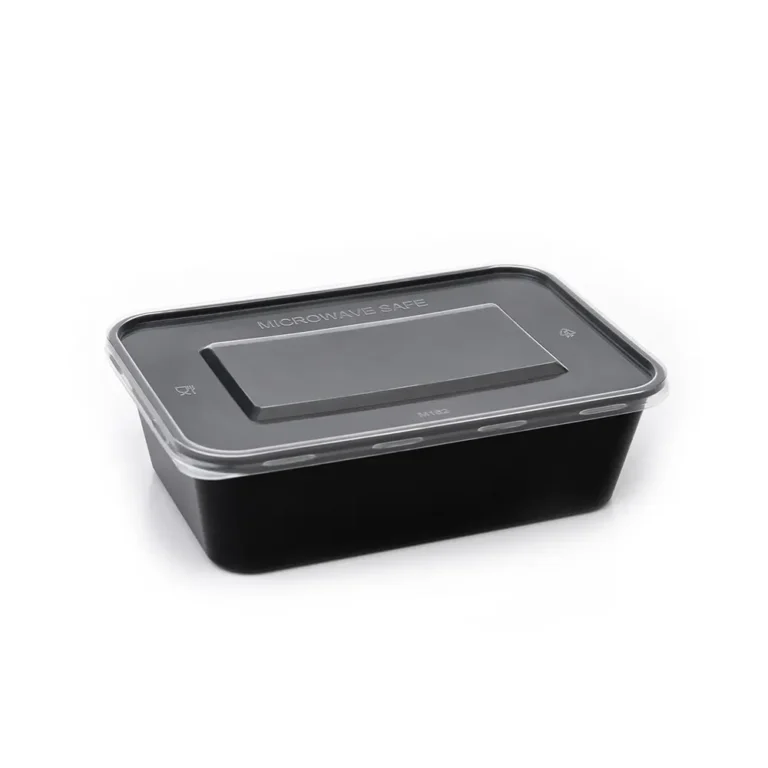
| Biryani, meals, chicken gravy | PP rectangle container with lid | Fill, close and dispatch quickly; do not stack hot parcels in a closed box for long |
| Salna, curries, fish gravy | PP round container with lid | Press the lid fully to stop leaks in delivery bags |
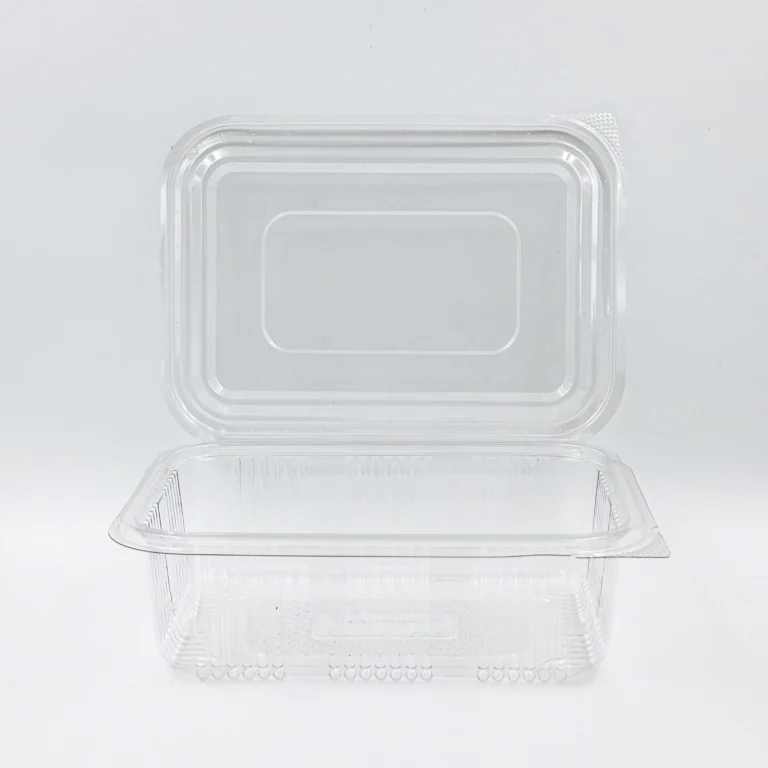
| Paneer dishes, sweets with khoa | PET container with attached lid | Keep sweets cool and pack them separately from hot food |
| Chutney, raita, pickle | Small hinged container | Use separate small containers to avoid mixing raw and cooked items |
What Food Safety Officers May Check
After an advisory like this, inspections usually focus on simple, visible things. For example, officers may look at how perishables arrive, where you store them, whether containers are food-grade and covered, and whether you keep basic records. Above all, display a valid FSSAI registration or licence at the shop.
If you are unsure, read the advisory on the FSSAI website or ask your local designated officer. After all, following it now is far cheaper than losing a batch of sweets or meat during a check.
Products Mentioned in This Guide
Frequently Asked Questions
What is the new FSSAI advisory on perishable food?
Made public on 18 October 2026, it asks food businesses to keep perishable foods such as paneer, khoa, meat and fish at prescribed temperatures during handling, storage and transport, use clean covered vehicles and food-grade packaging, and keep records.
Can paneer or meat be transported in gunny bags?
No. The advisory says food should be packed in food-grade packaging and that gunny bags should not be used.
Does the advisory apply to small hotels and sweet shops in Madurai?
Yes. It covers every stage from manufacturing to sale, so hotels, sweet shops, messes and cloud kitchens that store or sell perishable food should follow it.
What happens if a business does not follow the advisory?
State food safety departments have been asked to increase inspections and checks, and non-compliant consignments may be seized and destroyed.
Food-Grade Parcel Containers from Madurai
Weorex Packing supplies food-grade PP containers with lids, PET boxes and hinged containers from Madurai, with door delivery or pickup in the city and lorry transport across Tamil Nadu. This guide is general information, not legal advice – always follow the latest FSSAI notices.